




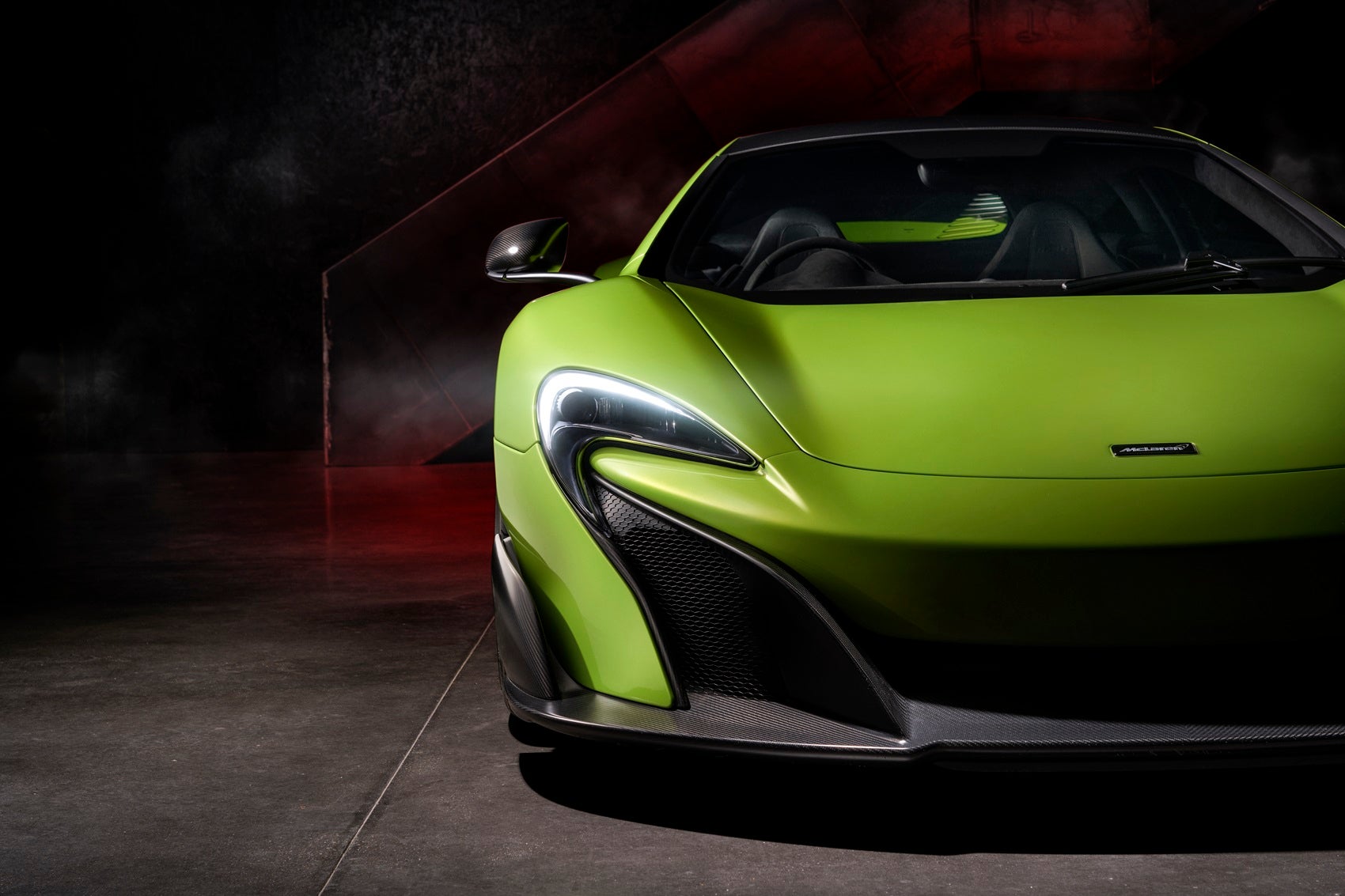
What Are Hypercars?
Supercars have been the benchmark for performance driving for decades. In recent years, though, a smaller and more extreme group of vehicles has emerged above them: the hypercar. These cars push the limits of speed, engineering, and design, and they're made in such small numbers that seeing one on the road is rare.
So what makes a car a hypercar instead of a supercar? There are a few traits show up again and again: extreme performance, cutting-edge technology, a top-tier price, and real exclusivity. At Washington Exotics, drivers from Sterling, VA, Washington, D.C., Baltimore, MD, and Alexandria, VA, come to us to learn more about these remarkable machines. Here's a closer look at what sets them apart.
Hypercar Performance: Beyond the Supercar Standard
Performance is the clearest dividing line. A supercar is already very fast, but a hypercar goes further in almost every measurable way. Some hypercars make well over 1,000 horsepower and are built to reach top speeds that only a handful of production vehicles have ever matched.
Raw power is only part of the story. Hypercars are designed as complete performance packages, with:
- Advanced aerodynamics that create downforce to keep the car planted at high speeds
- Lightweight construction using carbon fiber monocoques and other exotic materials
- Track-tuned suspension and braking systems built for repeated high-performance driving
- Rapid acceleration that puts these cars among the quickest vehicles ever made for the road
Put simply, a hypercar is engineered to deliver the most a road car can do, and then some.
Hypercar Technology: Engineering at the Cutting Edge
Hypercars often serve as rolling test beds for a brand's most advanced ideas. Plenty of technology that shows up in mainstream performance cars started out in a hypercar.
Hybrid powertrains are a good example. Models such as the McLaren P1™ and the Bugatti Tourbillon pair high-output combustion engines with electric motors, which gives them instant torque along with their power.* Other hypercars use active aerodynamics, where wings and flaps adjust on their own depending on speed and driving conditions. Inside the cabin, drivers will usually find a mix of motorsport-inspired controls, custom digital displays, and handcrafted materials.
The result is a vehicle that feels as advanced as it looks, with every component designed around performance.
Hypercar Price: A Class of Its Own
Hypercars sit at the very top of the automotive market. They're priced well above most supercars and luxury vehicles, which reflects the engineering, materials, and craftsmanship that go into each one.
Several factors shape what a hypercar is worth:
- Research and development behind new powertrains and aerodynamics
- Premium materials like carbon fiber, titanium, and other specialized components
- Hand assembly and extensive personalization options
- Limited production, which can drive up demand and long-term value
Some hypercars even become collectibles that can hold or grow in value over time. If you're considering one, our team at Washington Exotics can walk you through your options, including financing and leasing solutions tailored to your needs.
Hypercar Exclusivity: Built in Limited Numbers
Exclusivity is a big part of the appeal. While many supercars are built in the thousands, hypercars are often produced in very small runs, sometimes only a few hundred units or fewer worldwide. Some models are sold out before production even begins, and some manufacturers offer them only to select clients.
That rarity makes owning a hypercar a unique experience. Many buyers work directly with the manufacturer to personalize their vehicle with custom paint, interior materials, and finishes, so no two cars are exactly alike. For enthusiasts, a hypercar is more than a car: it's a piece of automotive history.
FAQs
Is a Bugatti a supercar or a hypercar?
Bugatti is widely considered a hypercar brand. Models such as the Bugatti Chiron and the Bugatti Tourbillon combine extreme power, advanced engineering, luxurious craftsmanship, and very limited production.
Is a hypercar street legal?
Most hypercars are street legal and designed to meet road-use regulations, so they can be driven on public roads as well as the track.
What cars are considered hypercars?
There's no official list, but some of the best-known hypercars include:
Explore Hypercars near You
Whether you're curious about hypercars or ready to explore your next exotic vehicle, Washington Exotics is here to help. We proudly serve drivers from Sterling, VA, Washington, D.C., Baltimore, MD, and Alexandria, VA. Contact us today or visit our showroom to learn more.
*Source: Bugatti